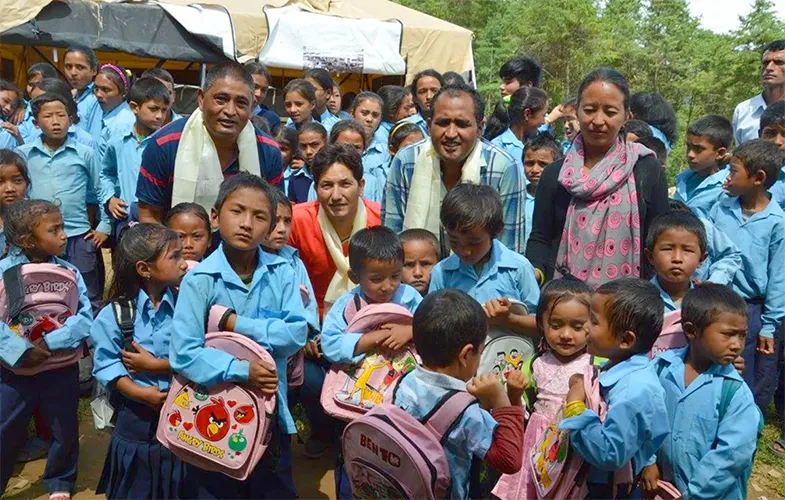
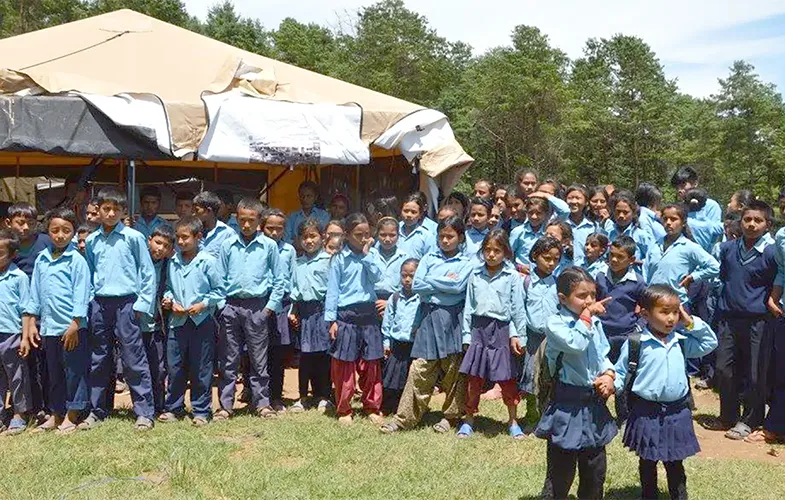
Education is a fundamental right, and Hands for Nepal works tirelessly to ensure that every child has access to learning. Scholarships, school supplies, and educational materials are provided to students from disadvantaged families, reducing financial barriers and encouraging consistent school attendance.
We also support schools with infrastructure improvements, libraries, and teaching resources, ensuring that children learn in a safe, engaging, and conducive environment. By addressing both student needs and institutional challenges, we enhance the overall quality of education.
Beyond resources, our programs foster community involvement. Parents, teachers, and local leaders are engaged in dialogues about the importance of education, creating a supportive ecosystem where children are encouraged to thrive academically and socially.
In the modern era, digital literacy is essential for success. Hands for Nepal equips children and youth with the skills necessary to navigate technology, access online resources, and engage in digital learning.
Additionally, our programs emphasize problem-solving, critical thinking, and collaborative learning. By combining technology with cognitive skill development, Hands for Nepal prepares students to adapt to a rapidly changing world while bridging educational gaps in rural areas.
We also work closely with communities to create supportive learning environments. Parents, local authorities, and community leaders are involved in promoting school participation, improving attendance, and maintaining educational facilities.
Through collaborative engagement, the programs foster a culture of lifelong learning and accountability. Communities gain the tools, knowledge, and confidence to sustain quality education, ensuring that children continue to have access to meaningful educational opportunities.