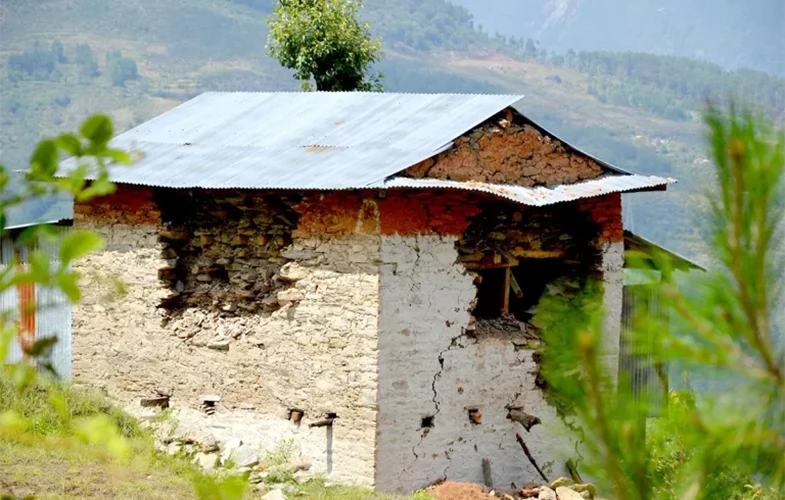
Hands for Nepal delivers critical relief to communities affected by natural disasters, including floods, earthquakes, and landslides. Relief packages include food, water, medicine, and essential household supplies to support families during times of crisis.
Our approach is carefully planned to ensure timely delivery and equitable distribution. Teams work closely with local authorities to identify the most vulnerable households, ensuring that aid reaches those in greatest need.
Beyond immediate assistance, our relief programs also focus on long-term recovery, preparing communities to rebuild and adapt in ways that minimize future risks and disruptions.
Our approach also emphasizes community involvement; local labor is employed to build shelters, teaching residents essential construction skills while promoting ownership and responsibility. This not only accelerates recovery but strengthens communal bonds and enhances resilience.
In addition to temporary housing, Hands for Nepal supports long-term reconstruction efforts that integrate disaster-resilient designs. These initiatives prepare families to withstand future hazards while creating homes that foster dignity, comfort, and stability for the most vulnerable.
Workshops are tailored to different groups, including schools, youth organizations, and local leaders, ensuring that every segment of the population knows how to act in critical situations. This proactive approach reduces casualties, prevents panic, and strengthens social cohesion during crises.
Our training also emphasizes resilience beyond immediate emergencies. Communities learn to plan for recovery, manage resources, and adapt to environmental changes, building a culture of preparedness that safeguards lives, livelihoods, and infrastructure in the long term.